
 MonThe Good Doctor25 Sept 2017 · 7 seasons
Pick a day
MondayThe Good Doctor26 seriesTuesdayNew Amsterdam26 seriesWednesdayModern Family26 seriesThursdayFriends26 seriesFridayThe IT Crowd26 seriesSaturdayVictorious26 seriesSundayGrey's Anatomy26 series
Monday
All 26 ›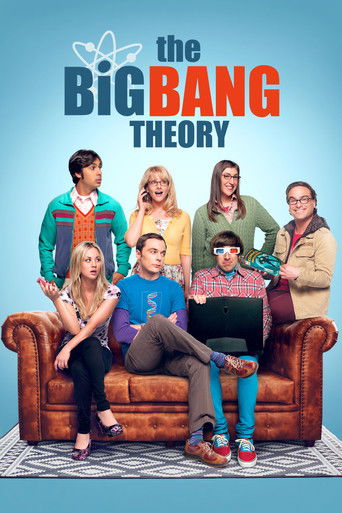 Mon
 Mon
 Mon
 Mon
 Mon
Tuesday
All 26 › Tue
 Tue
 Tue
 Tue
 Tue
 Tue
Wednesday
All 26 ›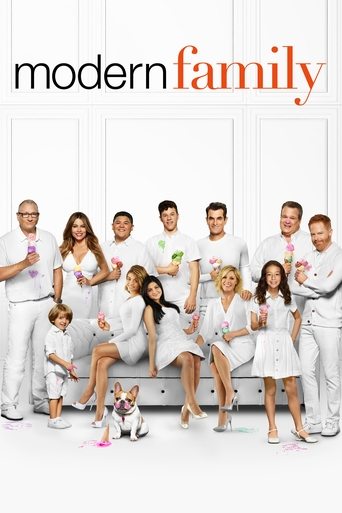 Wed
 Wed
 Wed
 Wed
 Wed
 Wed
Thursday
All 26 › Thu
 Thu
 Thu
 Thu
 Thu
 Thu
Friday
All 26 › Fri
 Fri
 Fri
 Fri
 Fri
 Fri
Saturday
All 26 › Sat
 Sat
 Sat
 Sat
 Sat
 Sat
Sunday
All 26 › Sun
 Sun
 Sun
 Sun
 Sun
 Sun
More lists
The weekend 52Top rated series 37Comedy 123Drama 84Family 45Sci-fi and adventure 36British series 33Before 1990 261990 to 2004 382005 to 2017 752018 to 2025 43
The EpisodeLobby guide
EpisodeLobby: 182 TV series sorted by the weekday they first aired, from The Good Doctor on Monday and Friends on Thursday to Fawlty Towers on Friday and Downton Abbey on Sunday
EpisodeLobby is a guide to television series arranged by the day of the week on which each of them began. It has seven doors, Monday to Sunday, and behind each stand twenty-six series whose first episode was shown on that day. That makes 182 series, first broadcast between 1951 and 2025, with 792 seasons and 14,548 dated episodes between them. Each series has a page with its premiere date, its cast, a summary, every season and a Watch now button.
The day of a premiere may look like a detail. For most of television's history it was the heart of the matter. A series was made for a particular evening: for the family at home on a Friday, for the adults who stayed in on a Saturday, for the long Sunday night when a serious drama could hold an audience for an hour. Networks built whole evenings as carefully as a concert programme, and a series often owed its character to the slot it was written to fill.
Sorting a catalogue by weekday brings those old evenings back into view. Series that were neighbours on the schedule turn out to be neighbours here, and the seven lists have seven distinct tempers. All 182 series were screened by hand for a family audience, so the guide leans towards comedy, warm drama, costume drama and adventure.
This guide explains the page, goes through the week a day at a time, and then crosses the days by kind, country and date. The short version is on How to watch with EpisodeLobby.
How EpisodeLobby works
The page is ivory with a burgundy header and brass trim, in the manner of a hotel lobby, and each day of the week has a colour of its own: blue for Monday, green for Tuesday, amber for Wednesday, red for Thursday, violet for Friday, orange for Saturday and teal for Sunday. The header carries a menu with a button for each day and the brass My Lobby button.
The home page opens with the name of the guide, a search box and seven coloured tiles under the heading Pick a day. Each tile names its day, its best-known series and its count. Seven blocks of posters follow in the order of the week, each showing the six most widely rated series of the day with a link to all twenty-six. A poster has a tag in the colour of its day, and beneath it are the title, the date of the first episode and the number of seasons.
A series page gives the title, tags for the year and the genres, the summary, the Watch now button and the list button. A panel beside them has a selector with fifteen countries; choose one, press the button, and JustWatch lists the subscription, rental, purchase and free services that carry the series there. A table of facts states the date on which the series was first aired, and the cast, the creators and every season with its dated episodes follow. Finding a series covers the search box and the lists.
How the days are assigned
The rule is simple. Each series has a first air date in the TMDB record, and the calendar gives the weekday of that date. Friends was first shown on 22 September 1994, which was a Thursday, and so it stands behind the Thursday door. The West Wing began on 22 September 1999, a Wednesday. A series stays with its first day even if the channel later moved it, as channels often did.
Within each day the series are ranked by the number of people who have rated them, and the first twenty-six that passed the hand screening are listed. For a streaming series the date is that of its release, when a whole season usually arrived at once; the day still tells something, since services have favourite days too. The seven days page states the rule in brief.
Monday
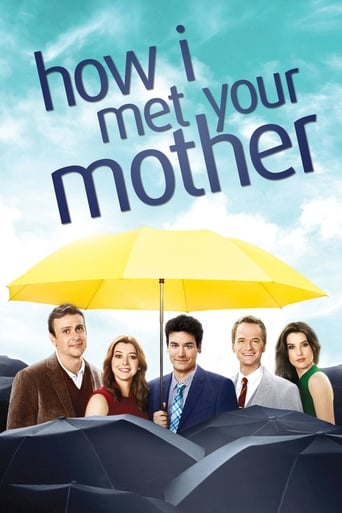
Monday has been a night for comedy since the beginning. The oldest series in the guide, I Love Lucy, was first shown on Monday 15 October 1951 and kept that evening for six seasons; it is said that shops closed early and water pressure fell across American cities while it was on. More than half a century later the same network was still filling its Mondays with comedy, and three of the results stand at the head of this list: How I Met Your Mother, which began on 19 September 2005, The Big Bang Theory, on 24 September 2007, and The Neighborhood.
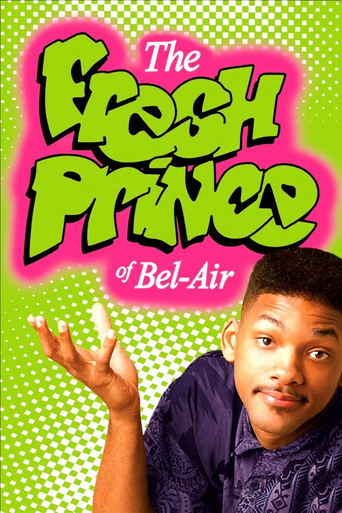
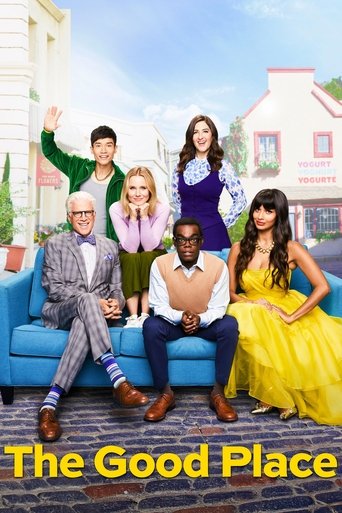
The Fresh Prince of Bel-Air opened on a Monday in September 1990, with Will Smith as a teenager from Philadelphia sent to live with rich relations in California. The Good Place began on a Monday in 2016 and Superstore on a Monday in 2015. Becker, The New Adventures of Old Christine, Life in Pieces and Man with a Plan are further examples of the Monday half-hour.
The dramas of the day are led by The Good Doctor, first shown on 25 September 2017 and the highest-scoring series in the guide at 8.5. ER is recorded as beginning on Monday 19 September 1994, with a feature-length opening episode shown ahead of its regular evening. Ally McBeal, Hart of Dixie, The Gilded Age and Nurses are the others, with the time-travel stories Journeyman, Travelers and the 2022 Quantum Leap.
Four British comedies began on Mondays. Mr. Bean was first shown on New Year's Day 1990, which fell on a Monday. Keeping Up Appearances, with Patricia Routledge as the socially ambitious Hyacinth Bucket, followed that October, and I'm Alan Partridge and Miranda in later years. The twenty-six series amount to 127 seasons and 2,403 dated episodes. The Monday guide sorts the list.
Tuesday
Tuesday belonged for many years to the American family comedy. Growing Pains began on a Tuesday in September 1985, Roseanne on Tuesday 18 October 1988 and Home Improvement on Tuesday 17 September 1991, all on the same network, and for a time the last two ran back to back as one of the most watched hours of the week. Taxi, older than all of them, opened on a Tuesday in 1978. The tradition continued with 8 Simple Rules, Last Man Standing, The Goldbergs and American Housewife.
Two of the day's finest series are hospital stories of opposite kinds. Scrubs, first shown on 2 October 2001, is a comedy with daydreams and a serious heart, and ran to 181 dated episodes. New Amsterdam, first shown on 25 September 2018, is a drama about a medical director who asks every colleague how he can help.
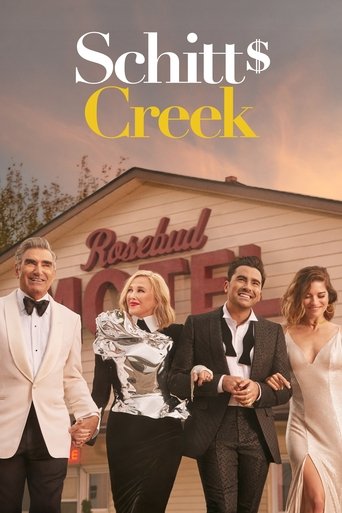
Friday Night Lights, despite its name, began on a Tuesday, 3 October 2006; its five seasons about a high-school football team in Texas are among the most admired dramas of their decade. Schitt's Creek opened on a Tuesday in January 2015. From Britain, Only Fools and Horses started on Tuesday 8 September 1981 and went on, with long gaps and many Christmas specials, for more than twenty years, and The Mighty Boosh began on a Tuesday in 2004.
The lighter fantasies Warehouse 13 and Eureka were both summer Tuesday series on a cable channel. Genius, Sweet Magnolias, Dash & Lily, Zoey's Extraordinary Playlist, Young Rock, The Mindy Project, How I Met Your Father, The Winchesters, Intelligence and High School Musical: The Musical: The Series complete the day: 131 seasons and 2,311 dated episodes. The Tuesday guide sorts them.
Wednesday
Wednesday is the largest day in content, with 135 seasons and 2,754 dated episodes, and the reason is a single evening of comedy that one American network kept going for a decade. Modern Family began on Wednesday 23 September 2009 and The Middle a week later, on the 30th. Around them the channel placed Suburgatory in 2011, black-ish in 2014 and Fresh Off the Boat in 2015. All five stand behind the Wednesday door, and together they made up one of the most successful comedy evenings of recent times.
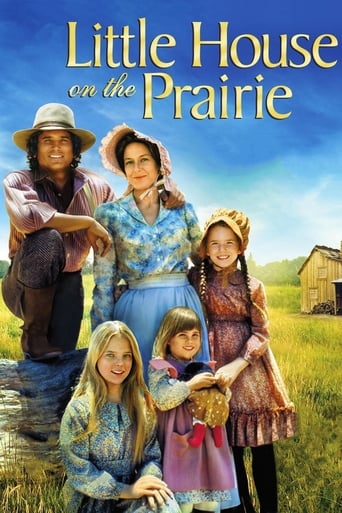
The day's great drama is The West Wing, which follows the senior staff of an American president and holds a score of 8.3. Little House on the Prairie opened on Wednesday 11 September 1974 and stayed for nine seasons, and The Beverly Hillbillies on Wednesday 26 September 1962, when a family from the Ozarks struck oil and moved to a mansion in California. Private Practice and the period drama The Buccaneers are more recent.
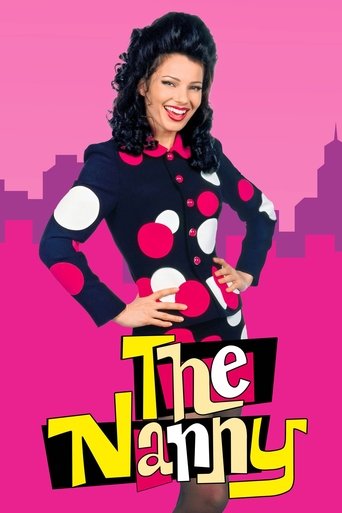
The Nanny began on a Wednesday in November 1993, with Fran Drescher as a saleswoman from Queens who talks her way into the household of a Broadway producer. Mad About You, Night Court, According to Jim, Hot in Cleveland, Young & Hungry, Baby Daddy, Marlon and Family Reunion are the other comedies. Better Off Ted, a satire set in the research division of a vast corporation, lasted only two seasons and deserved more.
The newest Wednesday series come from streaming: Willow, The Santa Clauses, Doogie Kamealoha, M.D. and the 2021 The Wonder Years. Staged, made in Britain during the lockdown of 2020, has David Tennant and Michael Sheen playing versions of themselves rehearsing a play by video call. The Tomorrow People completes the twenty-six. The Wednesday guide sorts the list.
Thursday
Thursday was for twenty years the most valuable night in American television, and one network's comedies made it so. Cheers began on Thursday 30 September 1982 and ran for eleven seasons in a Boston bar. Friends took its place in the same evening on Thursday 22 September 1994 and ran for ten. Both stand behind the Thursday door, with Wings, which opened on a Thursday in April 1990, and Community, which began on Thursday 17 September 2009 and inherited the tradition.
Three dramas of the day are favourites of their audiences. Gilmore Girls began on Thursday 5 October 2000, with a mother and daughter who are best friends in a small Connecticut town. Northern Exposure began in the summer of 1990 as a short season and grew into six. My So-Called Life opened in August 1994 and lasted nineteen episodes, which have been watched and rewatched ever since. Ugly Betty, Mozart in the Jungle and Who's the Boss? are close by.
Thursday is also a British day in this guide, with six series. Derry Girls was first shown on Thursday 4 January 2018 and Detectorists on Thursday 2 October 2014; the two could hardly differ more in volume, and both score above 8.0. Space: 1999, with its lunar base flung out of orbit, began in September 1975. One Day, Free Rein and Man vs Baby are streaming releases.
Streaming services use Thursdays as well, which brings The Marvelous Mrs. Maisel, Foundation, WeCrashed, Loot, The Four Seasons, the 2021 iCarly and My Life with the Walter Boys to this door. Georgie & Mandy's First Marriage, Heroes Reborn and Once Upon a Time in Wonderland complete the list: 102 seasons and 1,775 dated episodes. The Thursday guide sorts them.
Friday
Friday is family night, and the list shows it plainly: sixteen of its twenty-six series are marked for family viewing, far more than any other day. For a decade one American network sold its Friday evening under a single cheerful banner, a block of four comedies for parents and children to watch together. Family Matters opened it on Friday 22 September 1989. Step by Step joined on Friday 20 September 1991, and Boy Meets World on Friday 24 September 1993. All three ran for seven seasons or more, and their combined 533 dated episodes are the backbone of this door.
The children's channels took over the habit. Lizzie McGuire, The Suite Life of Zack & Cody, Hannah Montana, Liv and Maddie and Girl Meets World, which continued the story of Boy Meets World with the next generation, all had their first showing on a Friday. So did the two Australian mermaid series, H2O: Just Add Water and Mako: Island of Secrets, and Dinosaurs, a household comedy performed by puppets.
Friday is also the day on which streaming services like to release a season for the weekend. Fuller House, The Baby-Sitters Club, The Dark Crystal: Age of Resistance, Away, Big Shot, Acapulco, Amazing Stories, Knuckles, Man vs Bee and Self Made: Inspired by the Life of Madam C.J. Walker all arrived that way.
In Britain, Friday has long been the evening for comedy with an edge. Fawlty Towers was first shown on Friday 19 September 1975, Spaced on Friday 24 September 1999 and The IT Crowd on Friday 3 February 2006. Each is the work of one or two writers, each is short, and all three stand near the top of the scores. Everybody Loves Raymond and Sanctuary complete the day, which holds 89 seasons and 1,661 dated episodes. The Friday guide sorts the list.
Saturday
Saturday is the day with the longest memory. In the early 1970s one American network gave its Saturday evening to a run of comedies now regarded as the best single night the medium has produced, and two of them stand here. The Mary Tyler Moore Show began on Saturday 19 September 1970, with a single woman of thirty starting work in a Minneapolis newsroom. The Bob Newhart Show, about a Chicago psychologist and his patients, followed on Saturday 16 September 1972. The Jeffersons joined the evening in January 1975.
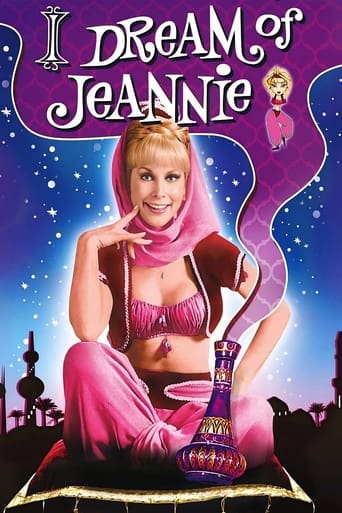
The older Saturday series go back further still. The Honeymooners, with Jackie Gleason as a Brooklyn bus driver, was first shown on Saturday 1 October 1955 and made only thirty-nine episodes, every one of them still in circulation. Gilligan's Island and Flipper both opened in September 1964, and I Dream of Jeannie on Saturday 18 September 1965.
In the 1980s the evening passed to gentler family fare: Silver Spoons, Newhart, Mama's Family, 227 and Small Wonder, about a family whose daughter is a robot. Later, Saturday became the home of children's channel premieres, Victorious, Bella and the Bulldogs, Game Shakers and School of Rock, and of adventure series such as Relic Hunter and Mutant X.
Freaks and Geeks was given a Saturday evening in September 1999, a difficult slot for a series about teenagers, which goes some way to explain why it lasted one season. British Saturday evenings supply Merlin, five seasons of family adventure at Camelot, and two holiday serials from Dickens, David Copperfield, first shown on Christmas Day 1999, and Dickensian, on Boxing Day 2015. When Calls the Heart, Prehistoric Park, Saved by the Bell: The College Years and About a Boy complete the twenty-six: 107 seasons and 2,206 dated episodes. The Saturday guide sorts them.
Sunday
Sunday has the highest scores of the week. Ten of its twenty-six series stand at 8.0 or more, and the average for the day is 7.75, well clear of the rest. Sunday night is when broadcasters on both sides of the Atlantic have traditionally placed their most ambitious drama, and audiences have rewarded it.
In Britain the Sunday serial is an institution. Pride and Prejudice began on Sunday 24 September 1995 and for six weeks emptied the streets. Jeeves and Wooster began on a Sunday in April 1990, North & South in November 2004, Jane Eyre in September 2006, and Downton Abbey on Sunday 26 September 2010. Victoria and Sanditon both opened on Sundays in late August, and The Spanish Princess and The Colour of Magic are Sunday series too. Gavin & Stacey, a comedy about a romance between Essex and South Wales, completes a British group of ten.
American cable channels used Sunday in the same spirit. The Newsroom began on Sunday 24 June 2012, Halt and Catch Fire on Sunday 1 June 2014, From the Earth to the Moon in April 1998 and Flight of the Conchords in June 2007. On the networks, Grey's Anatomy opened on Sunday 27 March 2005 as a replacement in the middle of a season and is still running; Boston Legal, The Resident, Pan Am and seaQuest DSV were Sunday premieres as well.
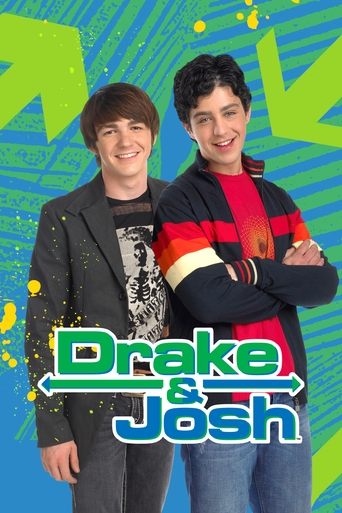
Drake & Josh, Good Luck Charlie, Saved by the Bell and Stuck in the Middle are the day's series for younger viewers, and Bel-Air, The Librarians and Chesapeake Shores complete it. With 101 seasons and 1,438 dated episodes Sunday is the lightest day in quantity and the richest in quality. The Sunday guide sorts the list.
The week at a glance
Set side by side, the seven doors show a clear pattern. The first four days, Monday to Thursday, are the working week of American network television: comedies in half-hours, dramas in hours, long seasons and long lives. Those four days hold 495 of the guide's 792 seasons. Friday turns towards children and families. Saturday looks back to an older television, and Sunday belongs to prestige.
The scores follow the same line. Sunday averages 7.75, Friday 7.57, Monday and Thursday 7.5, Tuesday 7.41, Saturday 7.31 and Wednesday 7.28. The spread is modest, and it reflects kinds more than quality: a short Sunday serial watched by people who chose it will always outscore a broad Wednesday comedy watched by everyone in the house.
Length runs the other way. A Wednesday series in this guide has on average 106 dated episodes, a Monday one 92, a Tuesday one 89 and a Saturday one 85. A Thursday series has 68, a Friday one 64 and a Sunday one 55. A reader looking for a long companion should start in the middle of the week, and one looking for something to finish in a fortnight should start at its end.
The oldest premiere behind each door gives a sense of the span: Monday's is I Love Lucy in 1951, Saturday's The Honeymooners in 1955, Wednesday's The Beverly Hillbillies in 1962, Thursday's Space: 1999 in 1975, Friday's Fawlty Towers in the same month, Tuesday's Taxi in 1978 and Sunday's Saved by the Bell in 1989.
The weekend
The Weekend list joins Saturday and Sunday, fifty-two series, and its two halves have little in common, which is what makes it a useful list. From Saturday come the classic comedies and the children's series; from Sunday the dramas and the British serials. A household can take one of each: a Saturday evening with The Mary Tyler Moore Show or Merlin, and a Sunday evening with Downton Abbey or The Newsroom.
The weekend is also where the shortest series gather. David Copperfield and The Colour of Magic have two parts each, North & South and Jane Eyre four, Pride and Prejudice and Prehistoric Park six. Any of them can be seen whole between Friday night and Monday morning, which is very nearly what they were made for. The weekend guide gives the outline.
September, and the other months
The premiere dates on the posters tell a second story, about the time of year. Sixty-two of the 182 series, more than one in three, were first shown in September. October follows with twenty-three and January with sixteen; May and December are the quietest months, with six and five.
The reason is the American television season, which for decades opened in the third or fourth week of September, after the summer and in time for the long dark evenings. The dates cluster remarkably: How I Met Your Mother on 19 September, Family Matters and The West Wing on the 22nd, as Friends had been five years before the latter, Modern Family on the 23rd, The Big Bang Theory and Boy Meets World on the 24th, The Good Doctor and New Amsterdam on the 25th.
January brought the replacements, series held in reserve for the middle of the season. Schitt's Creek, The Resident, Derry Girls, The Jeffersons and When Calls the Heart all began in January. Summer was once the season of repeats, and the few series that opened then were experiments: Northern Exposure in July 1990, My So-Called Life in August 1994, and later the cable dramas The Newsroom and Halt and Catch Fire in June.
Streaming has loosened the calendar. The series of the last eight years are spread through every month, and a few have chosen their dates with care: Dash & Lily and The Santa Clauses in November, ahead of Christmas, and Dickensian and David Copperfield over the holiday itself. The September premieres page gives the figures.
Top rated
The Top rated list gathers the thirty-seven series with an audience score of 8.0 or more. The scores are TMDB averages of ratings by registered viewers, and each series page shows how many ratings stand behind its figure. By day the list holds ten Sunday series, six from Thursday, five each from Tuesday and Friday, four each from Monday and Wednesday, and three from Saturday.
The Good Doctor stands first at 8.5. Three series share 8.4: Friends, Drake & Josh and The Resident. At 8.3 come The West Wing, Fawlty Towers, Boy Meets World, Girl Meets World, New Amsterdam and When Calls the Heart, and at 8.2 Grey's Anatomy, Scrubs, The IT Crowd, Detectorists, Victorious, Freaks and Geeks and Pride and Prejudice.
The group at 8.1 is as distinguished: How I Met Your Mother, The Nanny, Only Fools and Horses, The Marvelous Mrs. Maisel, Derry Girls, Downton Abbey, The Newsroom, North & South, From the Earth to the Moon and Jeeves and Wooster. Half of those ten are Sunday series. The top rated page explains the rule.
British series
Thirty-three series were made in the United Kingdom, and their days differ sharply from the American ones. Ten began on a Sunday, six on a Thursday, five on a Saturday, four each on a Monday and a Friday, and two each on a Tuesday and a Wednesday. British schedules have always put the costume serial on Sunday night and the sharper comedies late in the week, and the guide reflects it faithfully.
British seasons are short. The thirty-three series average about twenty dated episodes each, against some ninety for the American ones, and several of the most admired are tiny: twelve episodes of Fawlty Towers, fourteen of Mr. Bean and of Spaced, eighteen of Detectorists, nineteen of Derry Girls and of Gavin & Stacey. Keeping Up Appearances, at forty, and Only Fools and Horses, at forty-five, are long by the standard of their country.
A reader who enjoys British television can therefore see a great deal of it quickly, and the British series list is ordered with the best known first. The British series guide sorts the thirty-three by day.
Comedy, drama, family and science fiction
Four genre lists cross the days. Comedy is by far the largest with 123 series, drama has eighty-four, family forty-five and science fiction with adventure thirty-six. Comedy is spread evenly through the week. Drama gathers on Sunday, where nineteen of the twenty-six series carry the tag, and family series on Friday and Saturday, where twenty-eight of the forty-five are found.
The science fiction and adventure list shows how such series were scheduled. Space: 1999, seaQuest DSV and Mutant X went out at weekends or late in the week, when younger viewers could stay up. The cable fantasies Eureka and Warehouse 13 were summer series. Travelers, Quantum Leap, Journeyman and Kyle XY began on Mondays, and the streaming epics Foundation and Willow arrived midweek.
Hospital drama, as it happens, covers the week almost by itself: The Good Doctor, ER and Nurses on Monday, New Amsterdam and Scrubs on Tuesday, Private Practice on Wednesday, and Grey's Anatomy and The Resident on Sunday. A viewer with a taste for the wards could build a rota from them.
What streaming did to the week
For sixty years a premiere day was chosen by a scheduler with a grid of the week in front of him. Streaming removed the grid, and the last fifty or so series in the guide show what replaced it. A service that releases a whole season at once wants it to arrive when people have time to watch, and so Friday became the favoured day, followed by Thursday. Ten of the twenty-six Friday series and eleven of the Thursday ones are streaming releases.
Some services returned to weekly episodes and chose a midweek day of their own. Willow, The Santa Clauses and Doogie Kamealoha, M.D. all arrived on Wednesdays from the same service, one episode at a time, and The Buccaneers did the same elsewhere. In that sense the old habit has survived: a day of the week still belongs to a channel, and a viewer still learns to expect a certain kind of series on it.
The premiere date of a streaming series is given on its poster exactly as for a broadcast one. Where a whole season was released together, the season list on the series page shows every episode with the same date, which is a quick way to tell the two kinds apart.
Series that changed their day
A series is listed under the day of its first episode, and many did later move. The moves are part of their histories. Friday Night Lights began on a Tuesday, went to Wednesday, and reached Friday only in its later seasons. The Fresh Prince of Bel-Air kept its Monday for six years, while Scrubs was shifted so often that its makers joked about it on screen.
A move could make or end a series. Cheers finished its first season near the bottom of the ratings and was kept on its Thursday by a patient network, to become the most watched comedy in the country. Freaks and Geeks and My So-Called Life were moved, rested and brought back until their audiences could hardly find them. Grey's Anatomy began on a Sunday and was later sent to Thursday, where it stayed for many years.
British series are steadier. A Sunday serial stays on Sunday for all its parts, and Downton Abbey kept the same evening from its first episode in 2010 to its last regular one in 2015. The guide records the first day only, and each series page lists the date of every episode for readers who wish to follow the wanderings.
A week through the seven doors
The plainest way to use the guide is to keep the days. Watch a Monday series on Monday and a Sunday series on Sunday, as their first audiences did, an episode a week. It sounds old-fashioned and works surprisingly well. A series taken weekly lasts, its episodes are remembered singly, and the household has something fixed to look forward to on each evening.
One such week might be: Monday, The Good Place; Tuesday, Scrubs; Wednesday, The West Wing; Thursday, Friends; Friday, Boy Meets World with the children; Saturday, The Mary Tyler Moore Show; Sunday, Downton Abbey. Seven series, seven evenings, and between them 986 dated episodes, so the arrangement would hold for a good while.
A shorter version uses only the brief series, and can be completed within half a year of single weekly episodes: Mr. Bean on Monday, Dash & Lily on Tuesday, Better Off Ted on Wednesday, Detectorists on Thursday, Fawlty Towers on Friday, Freaks and Geeks on Saturday and Pride and Prejudice on Sunday.
Readers who prefer to watch a season in a few sittings can use the days differently, as a way of choosing. Ask what kind of evening it is. A tired Monday calls for a Monday comedy, built to be undemanding after a day's work. A free Sunday can take a Sunday drama, which assumes an attentive viewer with an hour to give.
First episodes
Since the guide is organised around premieres, it is worth saying a word about first episodes themselves. A first episode has a difficult job: it must introduce a place and half a dozen people and still tell a story. Some of the most admired in the guide do it by bringing in a stranger. Northern Exposure opens with a doctor arriving in Alaska, The Fresh Prince of Bel-Air with a nephew arriving in California, Downton Abbey with the news of an heir lost at sea and a new one on his way, and Friends with a bride in her wedding dress walking into a coffee house.
Others begin in the middle of an ordinary day and trust the audience to catch up. The West Wing holds back its president until the last minutes of the hour. ER follows a single shift from dawn to dawn. Freaks and Geeks starts under the stands of a school football field and finds its two groups of pupils within a minute.
The premiere date on each poster is a small invitation to watch that first episode with its moment in mind. I Love Lucy in the autumn of 1951 was being filmed in front of an audience in a way that had hardly been tried. The Mary Tyler Moore Show in September 1970 put a single working woman at the centre of a comedy when that was new. Modern Family in September 2009 arrived when the family comedy was thought to be finished. Knowing the date sharpens the pleasure.
My Lobby
My Lobby is the list each visitor keeps. The list button beside Watch now on a series page adds the series, and on the same page a viewer can mark the episode reached. The brass My Lobby button in the header opens the list from any page. List and marks are stored in the browser on the device in use, so they are ready from the first visit and work free of any sign-up form, with name and address left unasked.
For a guide by weekday the list has a natural shape: seven series, one for each evening. The coloured day tags make it easy to see which evenings are covered. The list page can save everything as a file, which is the way to move it to another device. The My Lobby page gives the steps.
Where the series play
EpisodeLobby is a guide, and the episodes themselves are held by the streaming services. The Watch now button passes the title and the chosen country to JustWatch, which records each day what every service offers. The fifteen countries in the selector include the United States, the United Kingdom, Canada, Australia, Ireland, New Zealand, India and South Africa.
Series move between services more often than films do. The long network comedies are widely available, often on free services supported by advertising. The British serials are carried by the players of their broadcasters at home and by specialist services abroad, and streaming originals stay with the service that made them. Complete seasons can also be bought in the digital stores. The answer shown is always the one for today.
Channels and their evenings
Behind most of the patterns in this guide stands a channel that decided to own an evening. It is worth naming them, since the series make more sense in their original company. CBS kept comedy on Monday from I Love Lucy in the 1950s to How I Met Your Mother and The Big Bang Theory in the 2000s, and built the great Saturday of the early 1970s around The Mary Tyler Moore Show and The Bob Newhart Show.
ABC made Tuesday its family evening with Growing Pains, Roseanne and Home Improvement, turned Friday into a block for parents and children with Family Matters, Step by Step and Boy Meets World, and twenty years later did the same for Wednesday with The Middle, Modern Family and black-ish. NBC's Thursday ran from Cheers through Wings and Friends to Community, and its Wednesday gave a home to The West Wing.
In Britain the BBC and ITV divided Sunday night between them for the classic serial, which is why Pride and Prejudice and North & South on the one and Downton Abbey, Victoria and Sanditon on the other all stand behind the same door. Channel 4 took Friday for comedy, with Spaced and The IT Crowd. The children's channels claimed the end of the week: Disney Channel on Fridays and Sundays, Nickelodeon on Saturdays.
The guide is independent of all these channels and names them only to explain the grouping. What they had in common was a belief that viewers form habits, and that a series is easier to love when it turns up in the same place at the same time among neighbours that suit it.
The days through the decades
The four period lists can be read together with the days. Of the twenty-six series first shown before 1990, twelve began on a Saturday, nearly as many as on the other six days together, which reflects how central Saturday night once was. By the 1990s the weight had moved to Thursday and Friday, and the thirty-eight series of 1990 to 2004 include Friends, Boy Meets World, Spaced and Gilmore Girls.
The largest period is 2005 to 2017, with seventy-five series, when Monday, Tuesday and Wednesday were crowded with network comedy and Sunday with cable drama. The forty-three series from 2018 to 2025 are spread most evenly of all, since a streaming release can fall on any day.
Saturday is the one evening that television largely gave up. From the 1990s on, broadcasters assumed that their audience was out, and fewer new series were placed there; the later Saturday entries in this guide are nearly all children's series shown in the early evening, or British family adventure such as Merlin. The Saturday door is therefore the best place in the guide to find a classic, and the Sunday door the best place to find a serial.
Neighbours worth watching together
Because the guide keeps series with the evening they were made for, it suggests pairings that a list by genre would miss. Here are five, each a pair of series that shared a day and reward being seen side by side.
On Monday, I Love Lucy and The Big Bang Theory: fifty-six years apart, both filmed before a studio audience, both built on four people in a living room, and both the most watched comedy of their time. On Tuesday, Roseanne and The Goldbergs: two loud, loving families, one set in its own present and one looking back at the 1980s from a distance of thirty years.
On Thursday, Cheers and Community: a bar and a study room, each a place where people who would otherwise have little to do with one another become a kind of family. On Friday, Fawlty Towers and The IT Crowd, the old master and its descendant, written thirty years apart for the same evening of the British week.
And on Sunday, Pride and Prejudice and Sanditon: Jane Austen's most finished novel and her last unfinished one, adapted by the same screenwriter, Andrew Davies, twenty-four years apart. Seen together they show both how faithfully a classic can be filmed and how freely a fragment can be completed. A sixth pairing suggests itself for Saturday, The Bob Newhart Show and Newhart, in which the same comedian plays first a psychologist and then an innkeeper, ten years apart, with the same unhurried timing.
The search box will bring up any of these in a moment, and the coloured day tag on each poster confirms that the two belong to the same evening. It is a small pleasure of the guide that the tags so often match where one would least expect it.
Questions and answers
Questions
What is EpisodeLobby?
EpisodeLobby is a guide to 182 TV series sorted by the weekday on which each was first shown. Each series has a page with its premiere date, its cast, every season and a Watch now button.
How many series does each day have?
Twenty-six for each day from Monday to Sunday, chosen as the most widely rated series of that day after a hand screening for family audiences.
How is the day decided?
By the first air date recorded for the series. Friends was first shown on 22 September 1994, a Thursday, so it is listed under Thursday.
Does EpisodeLobby host the episodes?
EpisodeLobby is a guide only. Watch now opens JustWatch for the country you choose, which lists the subscription, rental, purchase and free services carrying the series.
Which day has the highest scores?
Sunday. Ten of its twenty-six series score 8.0 or more, and the average for the day is 7.75.
Which day has the most episodes?
Wednesday, with 2,754 dated episodes across 135 seasons. Sunday has the fewest, 1,438.
Which is the oldest series?
I Love Lucy, first shown on Monday 15 October 1951. The Honeymooners, from 1955, is the oldest Saturday series.
Is the guide suitable for families?
Yes. Every series was screened by hand, and 45 are marked as family viewing, most of them behind the Friday and Saturday doors.
What is My Lobby?
My Lobby is a personal list kept in the browser. It stores the series you add and the episode you mark as reached in each.
Is an account needed?
The whole guide is open to every visitor. Search, the seven day lists and My Lobby all work from the first visit.
How do I find a series quickly?
Type part of its name, an actor or a year in the search box, press a day in the menu, or open the A-Z index.
Why are so many premieres in September?
The American television season traditionally opened in late September, and 62 of the 182 series began in that month.
